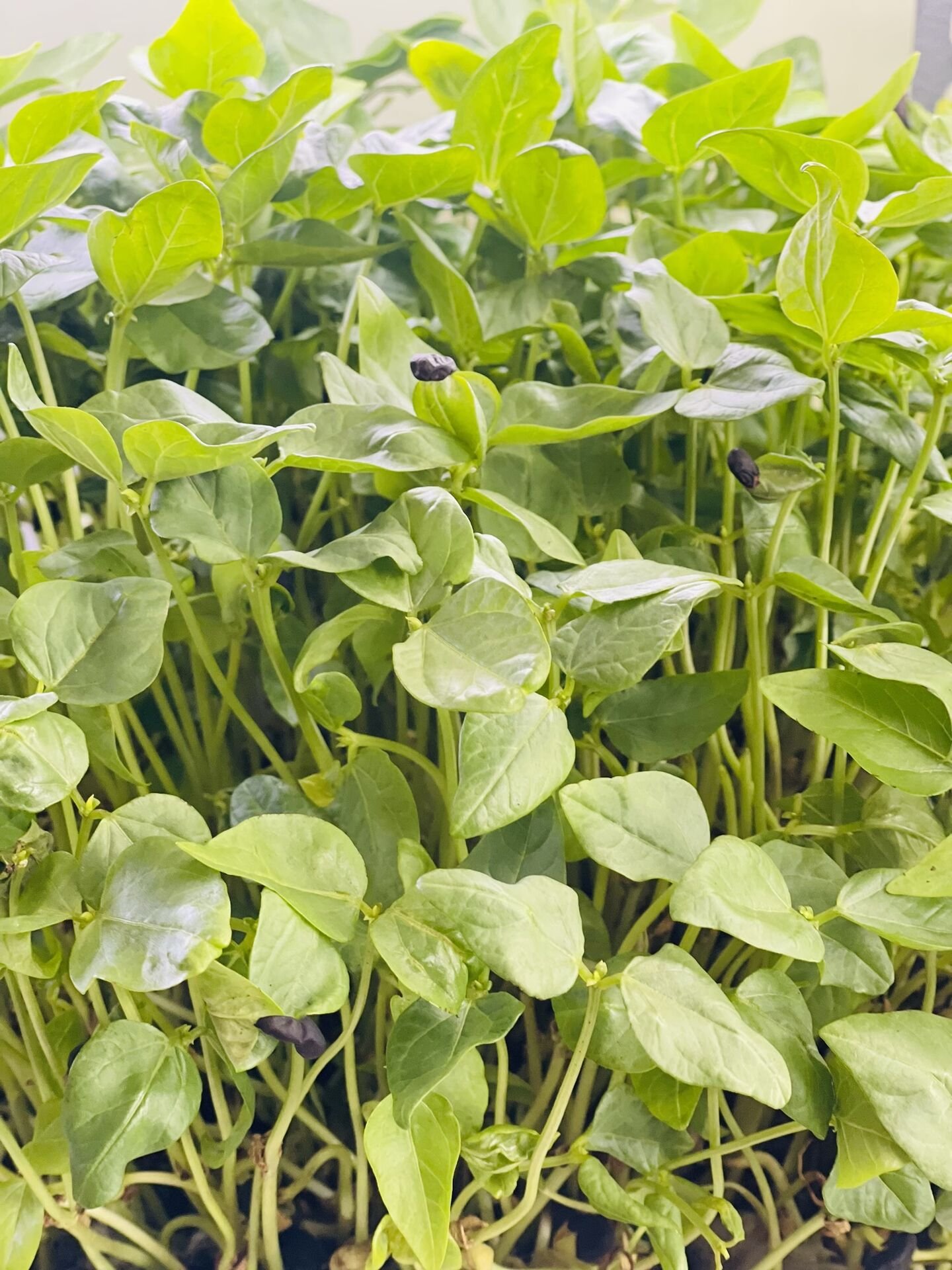
Applications of Plant Physiology for Crop Improvement, Quality Enhancement & Post-Harvest Management in Horticulture
Ensuring food and nutritional security, enhancing crop productivity, mitigating the impacts of climate change, and reducing post-harvest losses while promoting environmental sustainability all require a deeper understanding of the plant physiological processes that regulate growth, resource-use efficiency, stress tolerance, and quality enhancement. Strengthening the link between fundamental research and its practical application in agriculture is essential.
This National Conference is directed at capturing significant contributions to horticulture across these themes. It aims not only to recognise past contributions but also to lay a roadmap for future fundamental research in plant physiology that translates into practical outcomes for horticulture.
Fruits, vegetables, floriculture & plantation crops — tissue culture, day-length & hormonal regulation, hydroponics/aeroponics, and post-harvest technology.
Plenary lectures, invited talks and panel discussions by acclaimed scientists from premier institutions across India and abroad.

Conference Themes & Sub-Themes
Plant Growth, Development and Physiological Regulation
- Plant Growth Regulators in Horticultural Crops
- Hormonal Regulation of Growth, Development and Productivity
- Photoperiod and Hormonal Applications in Floriculture
- Plant Physiology in Crop Breeding
- Physiology for Rapid Breeding and Protected Cultivation
Advanced Physiological Tools and Innovative Production Systems
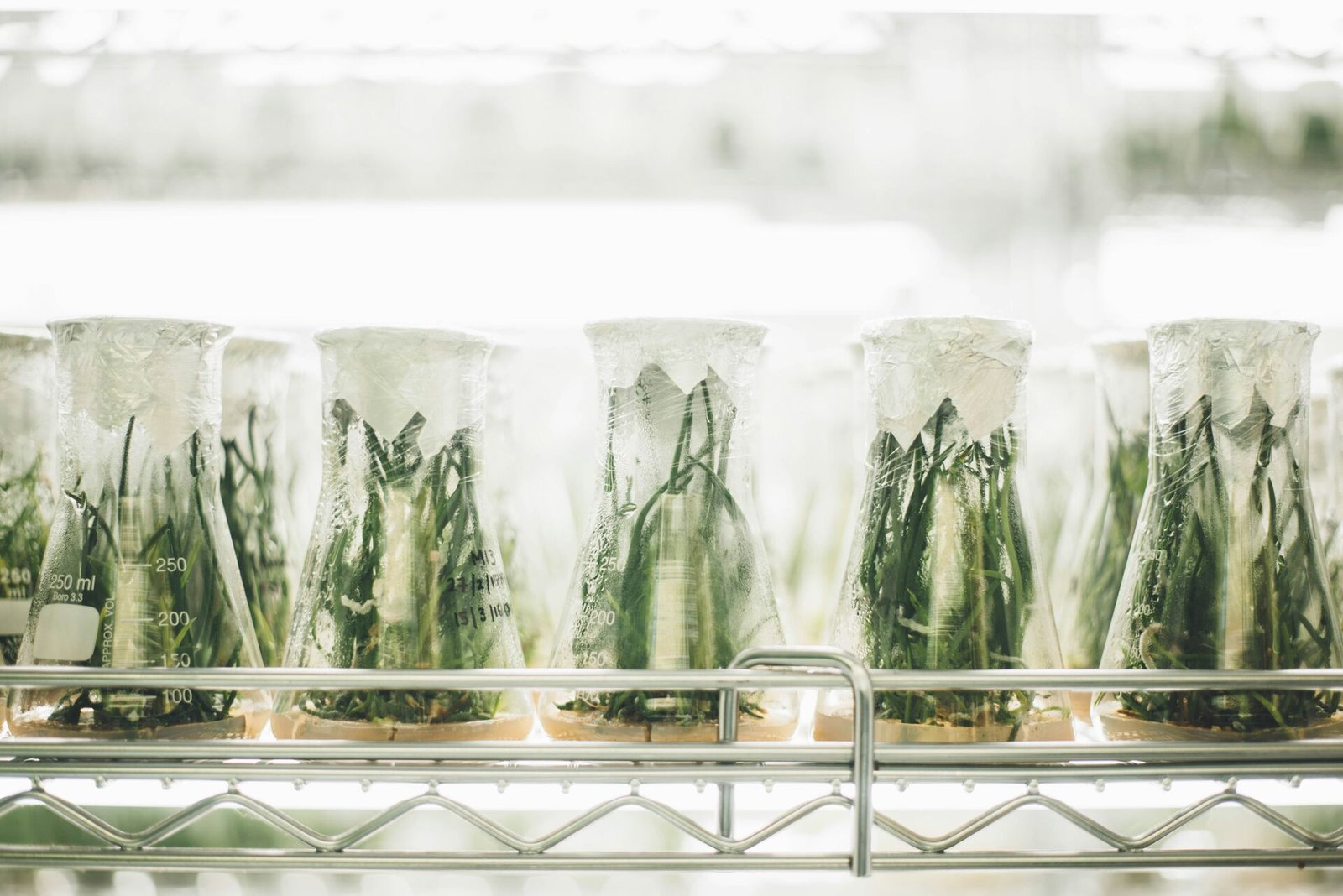
- Tissue Culture and Micropropagation
- Aeroponics and Hydroponics
- Physiological Basis of Protected Cultivation
- Plant Volatile Organic Compounds in Horticulture
Crop Physiology for Productivity, Adaptation and Climate Resilience
- Bridging Science and Yield in Modern Horticulture
- Physiological Interventions for Productivity and Quality
- Physiological Approaches for Fruit Crop Adaptation
- Climate-resilient Physiology in Plantation Crops
- Physiology for High-density Planting Systems
Physiology of Crop Quality, Seed Systems and Post-Harvest Management
- Physiology of Post-harvest Quality
- Crop Quality from Seed to Storage
- Seed Physiology and Potato Productivity
- Physiological Disorders in Fruit Crops
Translational Plant Physiology for Sustainable and Smart Horticulture
- Translational Plant Physiology
- Physiology for Sustainable Production Systems
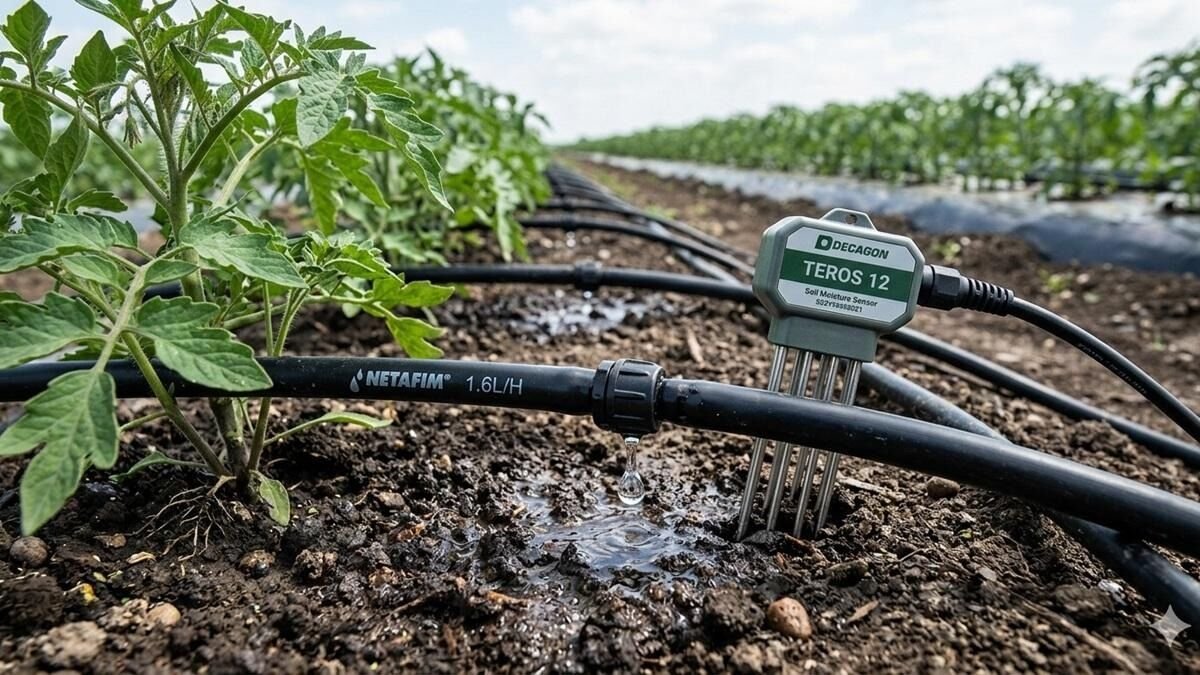
- Smart and Precision Horticulture
- Climate-smart Horticultural Innovations
Ready to contribute?
See presentation categories, formatting rules and the submission deadline.
Call for Abstracts